

We help educators, families, and students understand, measure, and improve the cognitive skills they need to succeed in school, career, and life.
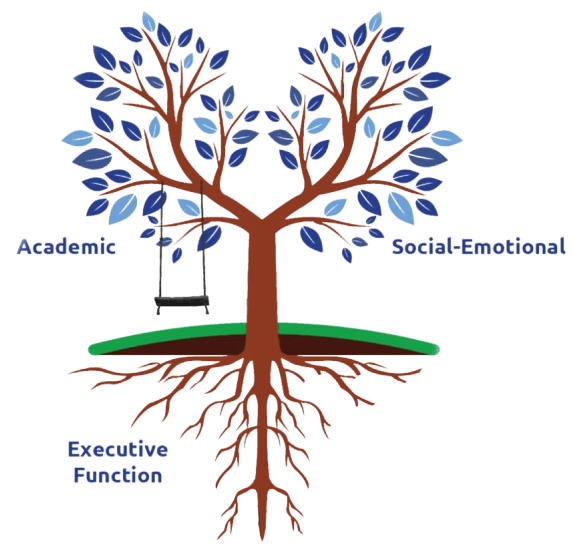
Sometimes called the Air Traffic Controller of the mind our Executive Function skills are the brain skills involved in attention and decision-making. These skills are often categorized as our working memory, our cognitive flexibility, and our impulse control. These EFskills are at the root of academic success and social emotional learning.
In fact, EF can be a better predictor of academic and social emotional success than IQ. And unlike IQ, EF skills can be improved through reflection and practice.
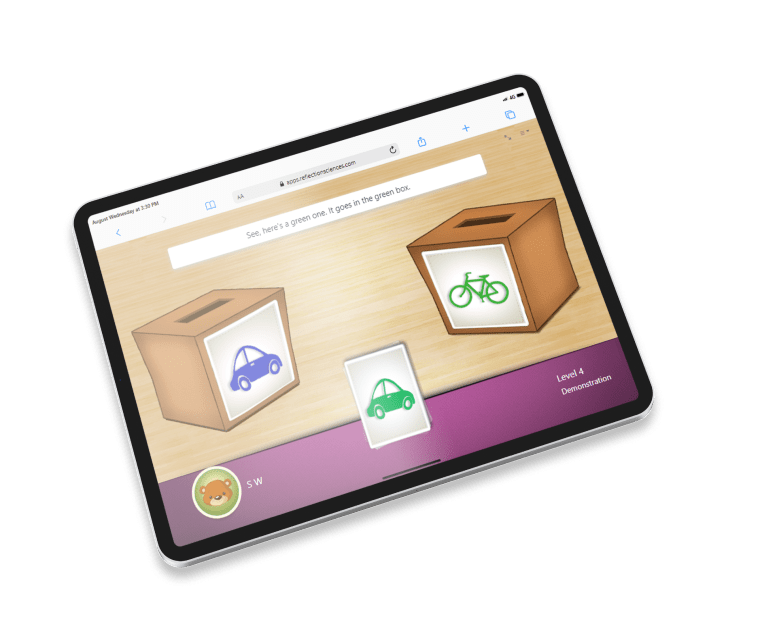
Measure executive function with the Minnesota Executive Function Scale (the MEFS). The MEFS is the only objective direct measure of executive function backed by a normed dataset of more than 52,000 individuals ages 2-18. Created in cooperation with the National Institutes of Health, the MEFS is the EF measure of choice for scientists, educators, and families.

Thinking about something in multiple ways. For example, considering someone else’s perspective or a different way to solve a problem.

Holding information in mind so it can be used to guide behavior. For example, keeping a question in mind in order to formulate an answer.

Ignoring distractions and inhibiting impulsive responses. For example, paying attention to a teacher and resisting a side conversation.